Bajaj Chetak EV : Bajaj Chetak has always been more than just a scooter—it’s a piece of India’s riding history, that trusty metal companion zipping through city streets for decades.
Now, in 2026, Bajaj is cranking up the voltage with fresh updates to its electric Chetak lineup, blending nostalgia with cutting-edge tech to keep it ruling the EV scooter game.
A Affordable New Face Joins the Family
Word on the street is buzzing after Bajaj dropped a block-your-date invite for January 14, 2026, teasing a new electric Chetak that’s set to shake up the mass-market segment.
This isn’t some fancy next-gen overhaul; it’s a smarter, lighter entry-level model aimed straight at budget-conscious riders eyeing rivals like the TVS Orbiter or base Vida VX2.
Priced around Rs 80,000 to Rs 90,000 ex-showroom, it’s Bajaj’s play to grab folks who crave brand reliability without emptying their wallets.
Spy shots from road tests paint a picture of a more compact design, ditching the full-metal body for lighter materials to slash weight and boost range—key for any EV where every kilo counts on battery life.
Expect a hub-mounted motor, a shift from the current swingarm setup, promising direct drive efficiency without spilling all the powertrain beans just yet.
Design That Whispers Heritage, Screams Future
Pull up next to the new Chetak, and you’ll catch that classic silhouette with a modern twist—sleek LED headlights slicing the night, flowing panels that hint at motion even parked, and a rear taillight nodding to the original’s iconic shape but lit up in full LED glory. It’s like Bajaj raided the family album, dusted off the old Chetak vibes, and wired them for the 21st century.
The 2025 refresh set the tone with a full-color TFT display that’s basically your smartphone strapped to the handlebar—navigation, call alerts, ride stats, all in crisp detail.
This upcoming model keeps that spirit, maybe trimming some frills to hit that price sweet spot, but still packing enough style to turn heads in Delhi traffic or Mumbai monsoons.
Power Under the Hood: Lighter, Leaner, Longer-Ranging
At its core, this new Chetak swaps heft for hustle with a smaller frame and materials that won’t drain the battery as fast. Current models rock 3kWh or 3.5kWh packs, and while specifics are locked tight, whispers suggest similar sizing tuned for city commutes—think 100-120km real-world range on a single charge.
Bajaj’s EV game has evolved smartly; the Akurdi plant is now a pure-play electric hub, no gas-guzzlers in sight, letting engineers obsess over range, regen braking, and seamless app connectivity.
Riders rave about the smooth torque delivery—no jerky starts, just effortless acceleration that makes highways or pothole-dodging a breeze.
Tech Smarts for Everyday Warriors
Forget basic dashboards; Chetak’s TFT screen is your ride’s brain, syncing with the Chetak app for theft alerts, geo-fencing, and charge tracking right on your phone. Bluetooth pairs up for music streaming or over-the-air updates, keeping the scooter fresh without a showroom visit.
This affordable variant might streamline a few bells and whistles, but core smarts like keyless go and reverse mode stay, making parking in tight urban spots less of a sweat. It’s practical tech that fits India’s chaotic roads—reliable, connected, and built to last like the Chetak name promises.
Market Moves: Bajaj’s Big EV Push
Bajaj isn’t sleeping on the EV boom; reviving Chetak in 2019 was a masterstroke, and now with three generations under its belt, it’s outselling rivals by leaning on that premium metal-body trust.
The new plant focus screams commitment—Rahul Bajaj’s crew calls it “smart” engineering, pouring resources into batteries and software that justify the slight premium over plastic pretenders.
Sales charts show Chetak dominating urban fleets and families alike, especially post-2025 updates that fixed early range gripes. This budget model could double down, targeting Tier-2 cities where affordability wins hearts and highways.
Facing the Competition Head-On
In a ring crowded with Ola S1, Ather 450, and TVS iQube, Chetak stands tall with its bombproof build and service network—over 3,000 touchpoints mean peace of mind no other EV matches.
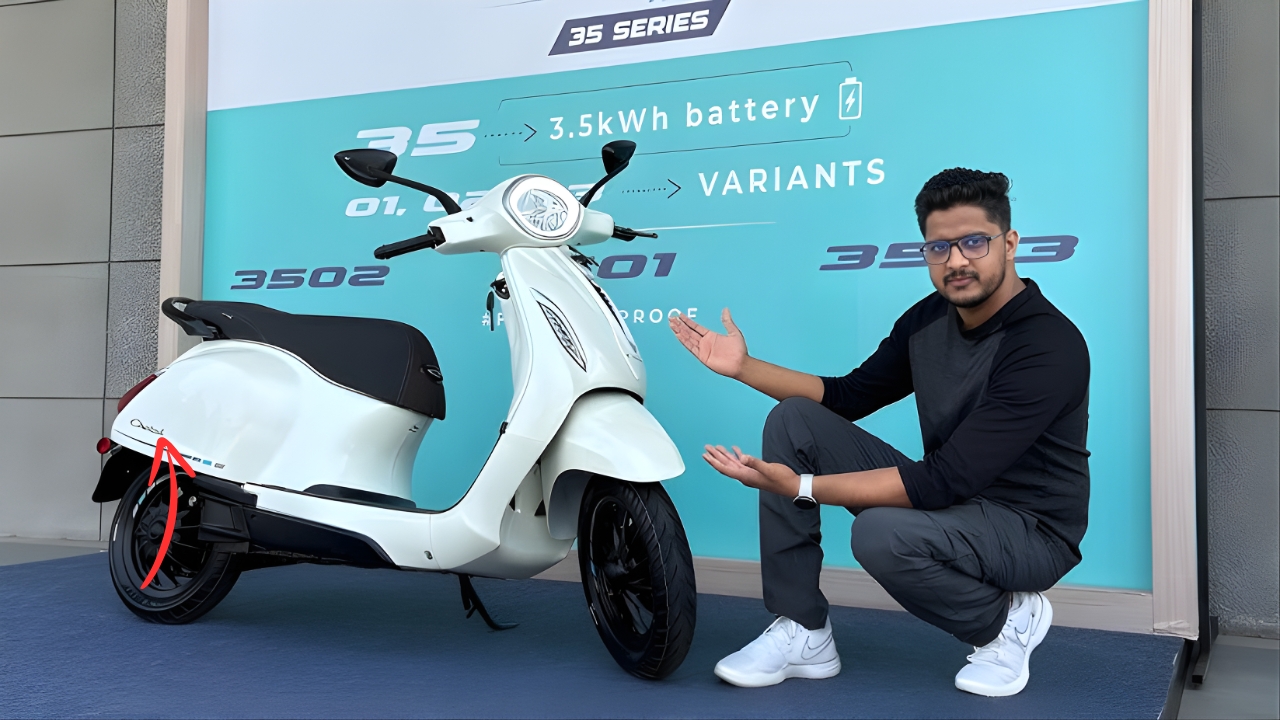
The new entry-level play undercuts flashier apps-heavy foes, betting on Bajaj’s rep for durability over gimmicks.
Rivals push flashier ranges or swappable batteries, but Chetak counters with real-world reliability; no fire scares, just consistent performance that racks up kilometers without drama. It’s the scooter your dad trusted, now green and grinning for your garage.
Riding the Green Wave in India
India’s EV scooter sales exploded past 1 million in 2025, fueled by subsidies and city bans on petrol two-wheelers—Chetak’s right in the sweet spot, offering zero emissions without zero fun.
Bajaj’s innovations like better cells and fast charging align with government pushes for 30% EV adoption by 2030.
Owners swear by the low running costs—Re 0.20 per km versus Rs 2 on petrol—making it a no-brainer for daily grinds. With Delhi’s air choking and fuel prices soaring, Chetak feels like the smart, stylish escape we all need.
What Lies Ahead for Chetak Riders Bajaj Chetak EV
Bookings for the new model might kick off right after launch, with deliveries hitting streets by February—perfect timing for summer rides. Bajaj hints at color pops and maybe a premium trim later, keeping the lineup versatile from commuter to cool.
As testing wraps and teasers drop more clues, one thing’s clear: Bajaj Chetak EV isn’t chasing trends; it’s setting them, proving legends adapt and thrive.
In wrapping up, the Bajaj Chetak EV’s latest chapter blends heart-pounding heritage with electric efficiency, delivering a ride that’s affordable, aspirational, and ahead of the curve.
Also Read this – Motorola Moto G86 5G Revealed 250MP Camera, battery is 7600 mAH in ₹19,395
Whether you’re dodging Delhi dust or cruising coastal roads, this scooter’s poised to redefine urban mobility—one charged mile at a time. Here’s to many more years of Chetak magic on Indian streets.